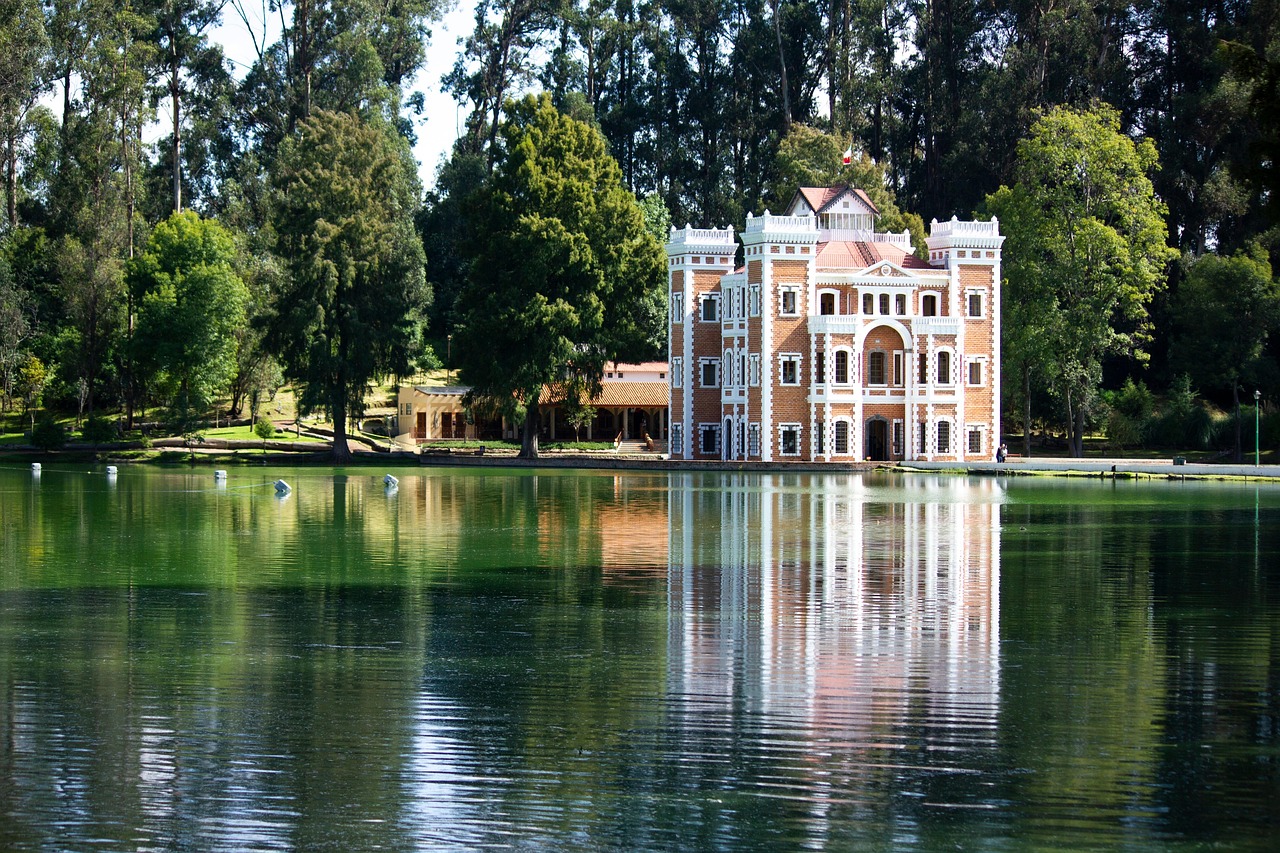
The Ex-Hacienda de Chautla, a historic 18th-century estate in Puebla.
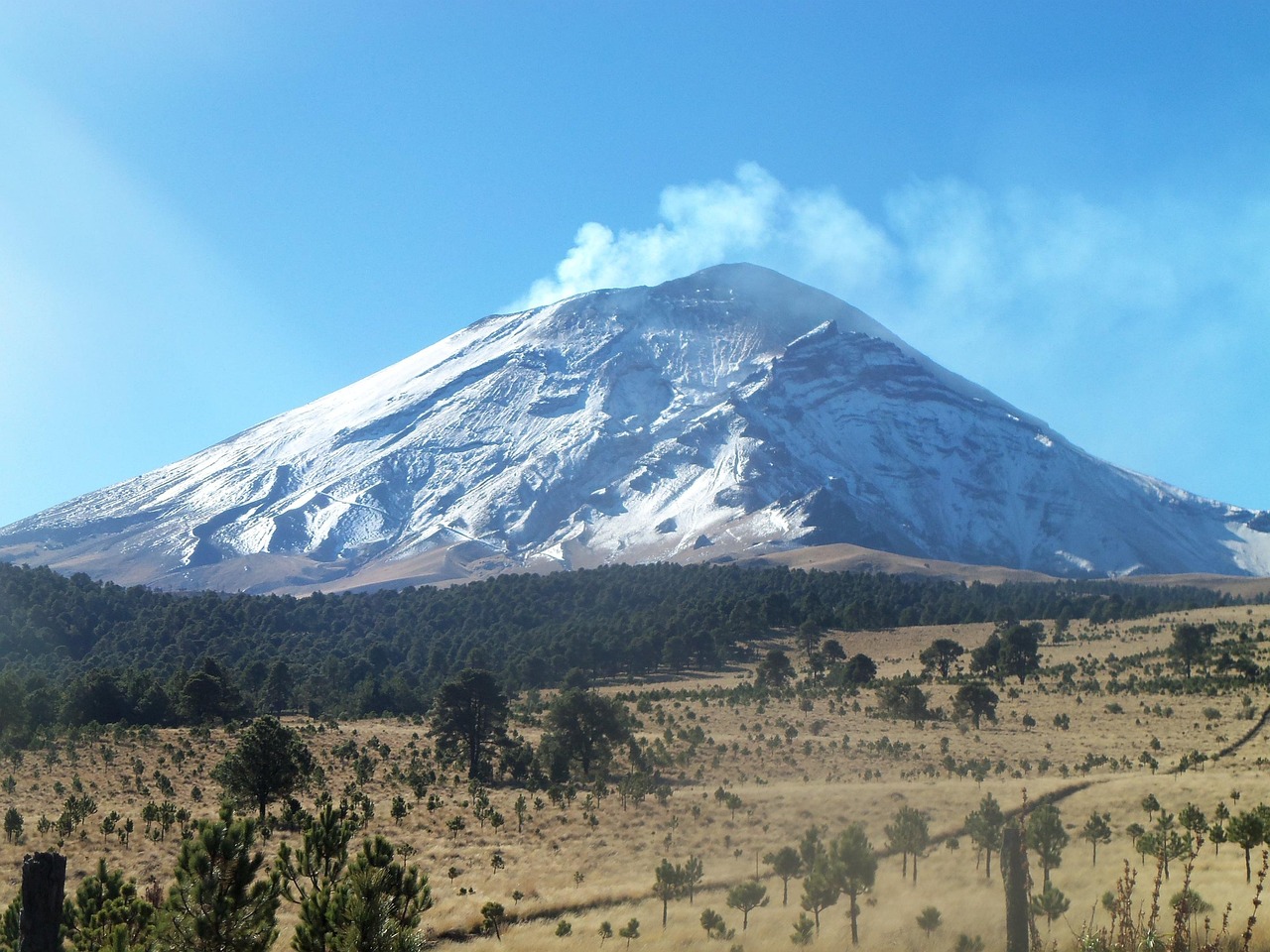
Visit Popocatépetl–Iztaccíhuatl National Park for pine–fir forests, amazing views.


Visitor Info
About ICCB 2027 Host City Puebla, Mexico
Puebla, Mexico offers an unforgettable setting for ICCB 2027 where culture, striking architecture, and world-class cuisine meet easy access to some of the country’s most incredible conservation landscapes. Set in a UNESCO-recognized historic city known for its colorful Talavera tiles, welcoming plazas, and vibrant culinary traditions, Puebla is both richly rooted and forward-looking, with a strong network of universities and civic institutions engaged in environmental research and action.
In Puebla, conservation is visible in the landscapes that ring the city and in the communities that depend on them. Positioned between Mexico’s central highlands and some of the nation’s most biologically rich regions, Puebla is a natural gateway to Mexico's biodiversity: pine–oak forests, high-elevation grasslands, wetlands, and working agricultural mosaics. The volcanic skyline of Popocatépetl and Iztaccíhuatl frames nearby protected areas and ecological corridors, offering a powerful backdrop for conversations about resilience, connectivity, restoration, and community-led stewardship.
Puebla’s walkable center makes it easy to step into the life of the city, whether you’re exploring markets, visiting museums, or sitting down to mole poblano after a day of learninbg and networking. With a temperate climate, excellent connectivity, and a blend of heritage and biodiversity at its doorstep, Puebla is an inspiring place to convene the global conservation community and to connect scientific exchange with the landscapes and cultures conservation ultimately serves.