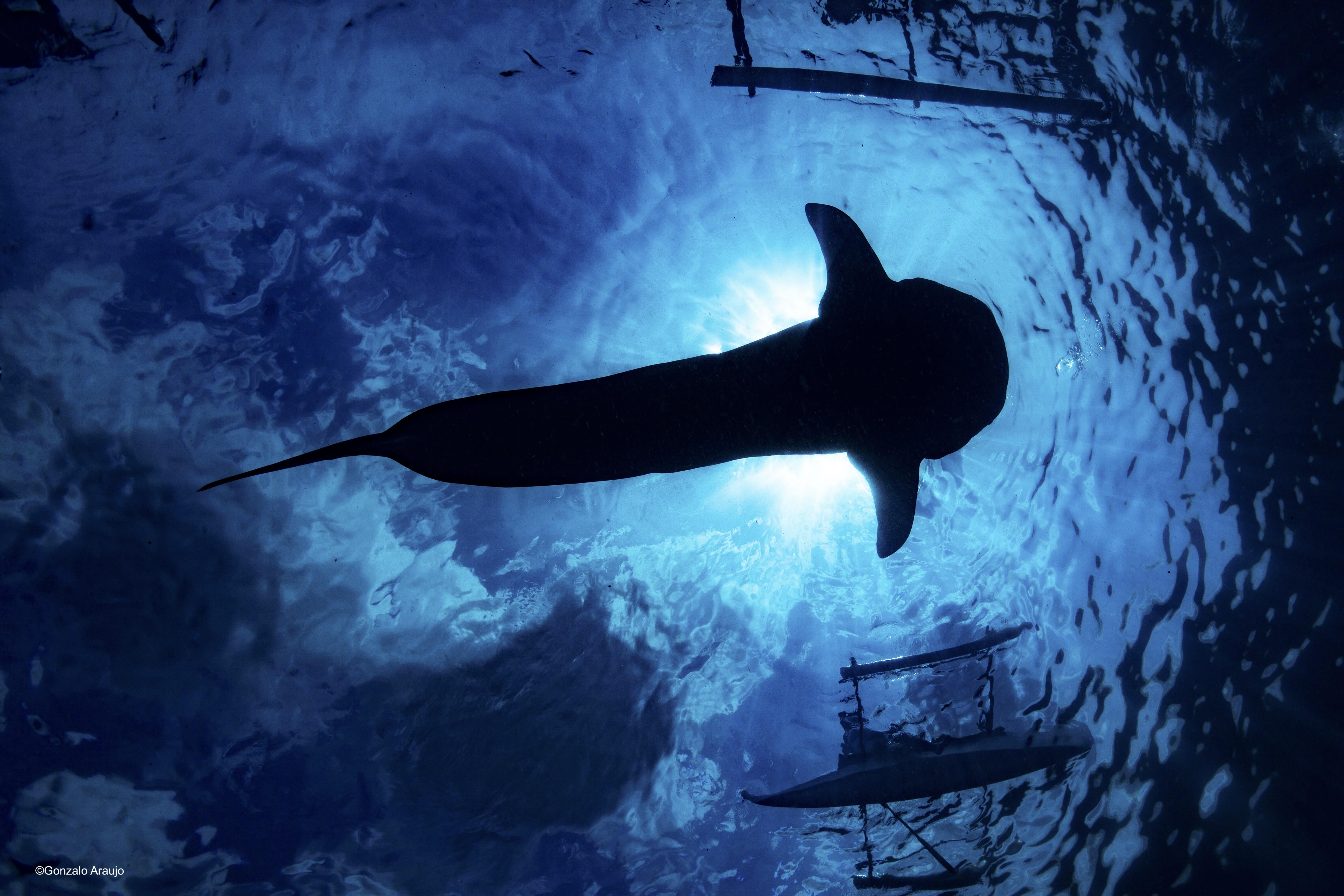
Header image for Plenary Speakers

Annoucing IMCC8 Plenary Speakers

We are thrilled to announce our six incredible plenary speakers who each bringing a unique, powerful approach to protecting our oceans!

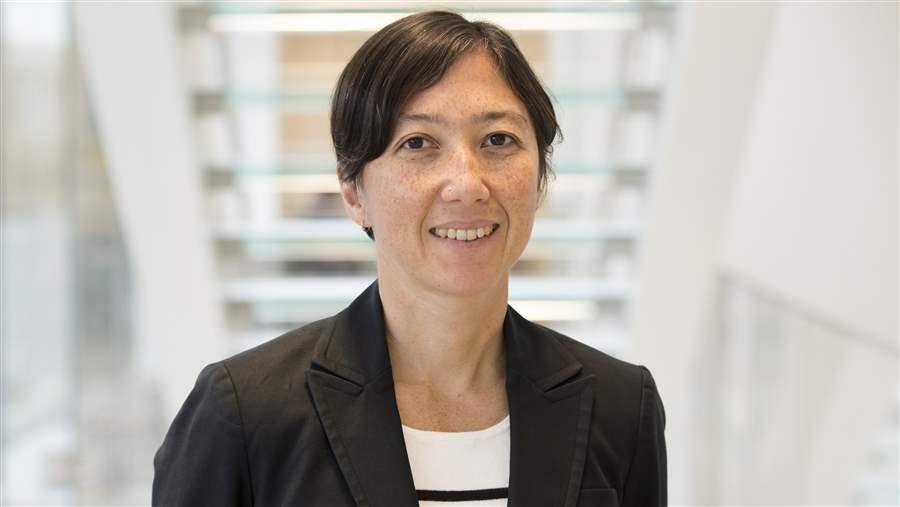
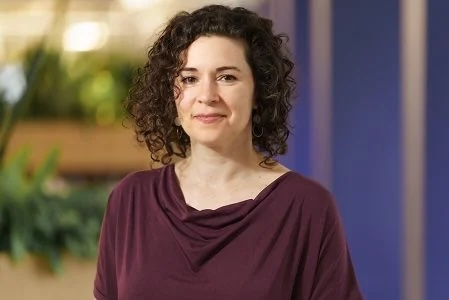
Dr. Kathryn (Katie) Matthews 
Chief Scientist at Oceana                                                                                 

As Chief Scientist, Kathryn (Katie) is responsible for ensuring Oceana’s campaigns are informed by the best and most current scientific understanding, as well as tracking emerging issues, advising on strategic direction, and supporting the 50+ staff scientists across the organization’s offices in 12 fishing nations.

She also heads the Science and Strategy department at Oceana’s international headquarters, with teams focused on transparency in ocean governance, programmatic monitoring and evaluation, and the role of fisheries in livelihoods and nutrition. As part of that effort, she also leads Oceana’s development of new campaign teams in Ghana, Malaysia, and Senegal.

Prior to Oceana, Katie led a marine conservation and sustainable fisheries grantmaking program at The Pew Charitable Trusts, advocated for better tuna fisheries management with the International Seafood Sustainability Foundation, and served as a science fellow at both the U.S. State Department and the U.S. Congress. She’s sat on the Society for Conservation Biology’s Board of Governors, heading its Marine Section’s board of directors as president (2017-2019), is currently on the boards of the (U.S.) National Aquarium and the Oyster Recovery Partnership, and serves as a program advisor for the Pew Fellows Program in Marine Conservation.

She has an M.Sc. and Ph.D. from the University of Pennsylvania in Earth and Environmental Science, where she studied – respectively – pesticide accumulation in Svalbard ice caps and trace metals as paleoclimate proxies in tropical Panamanian corals. Her B.Sc. in Geological Sciences is from Tufts University.
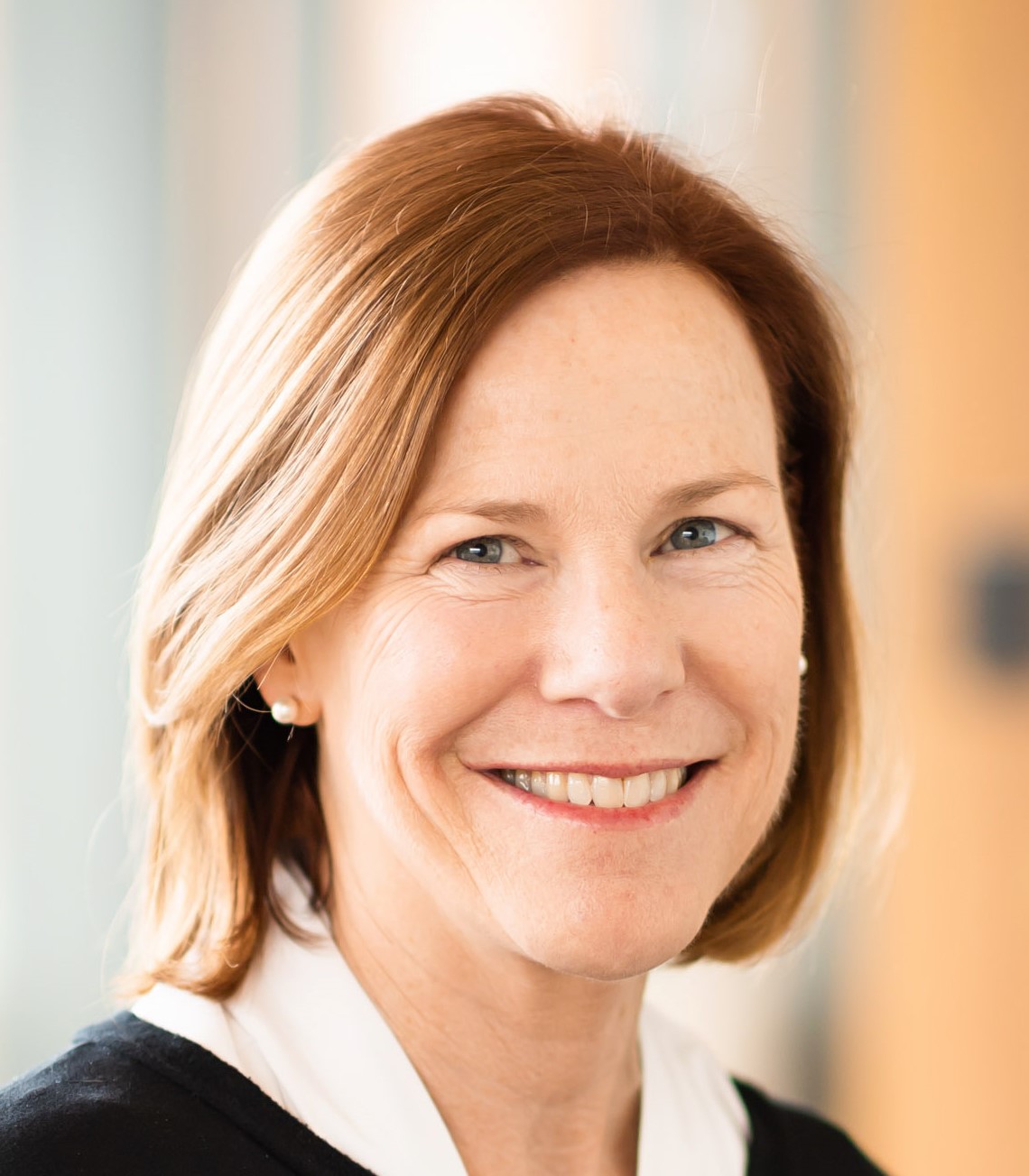
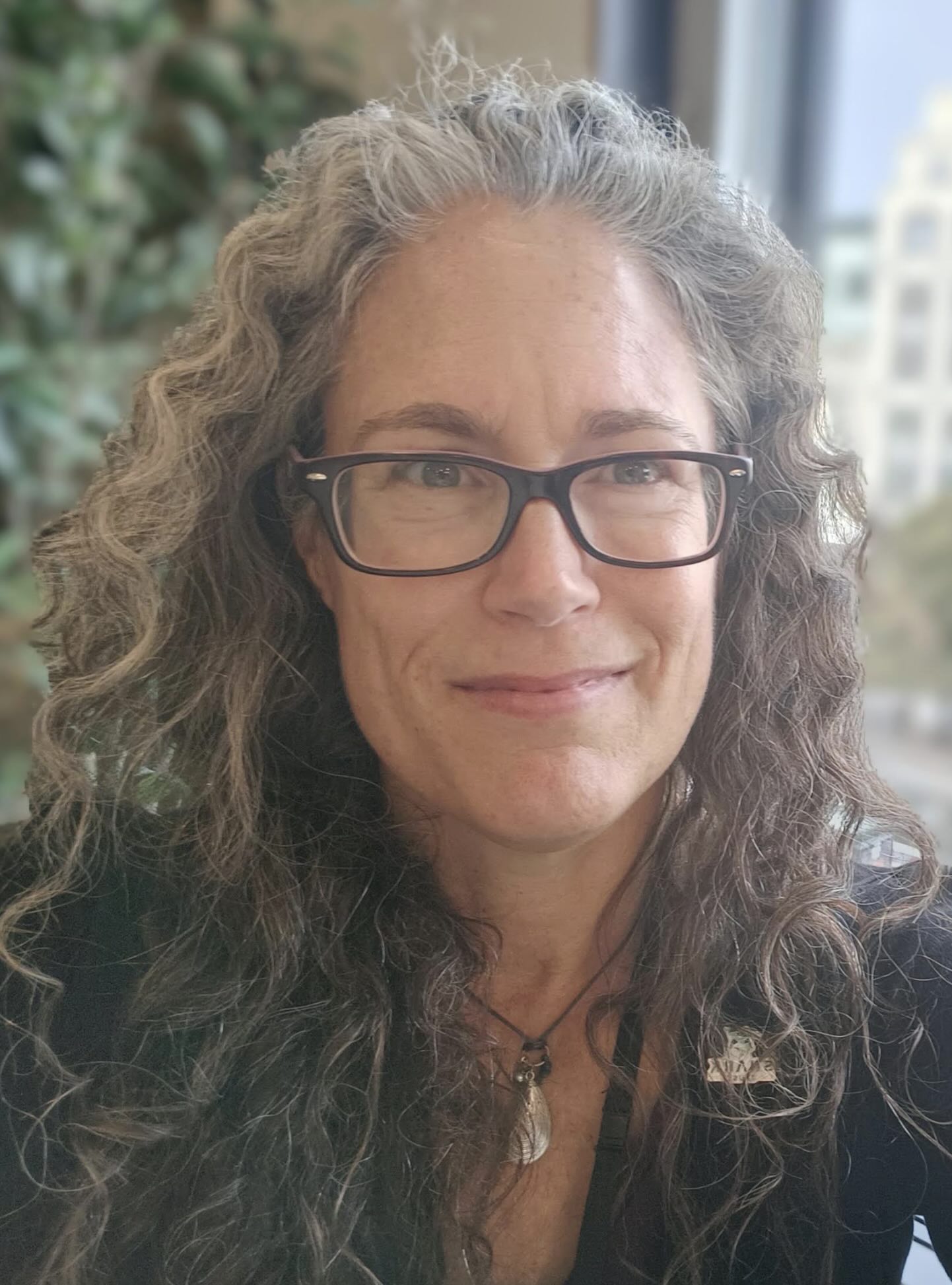
Liz Karan
Project Director at The Pew Charitable Trusts

Liz Karan leads The Pew Charitable Trusts’ campaign to address gaps in ocean governance through meaningful international cooperation. Working closely with key stakeholders and partner organizations, Karan focuses on developing policy mechanisms to protect the ocean’s natural assets and address negative human impacts on marine ecosystems at the United Nations, International Seabed Authority, Convention on Biological Diversity, and World Trade Organization. Karan previously led Pew’s effort to secure a new legally binding agreement to protect high seas biodiversity. She also worked on aquaculture reform, global shark conservation, Southern Ocean protections, and other Pew international marine initiatives.

Before coming to Pew, Karan worked with the environmental community—including the Center for Clean Air Policy, the Conservation Law Foundation, and the National Environmental Trust—on a diverse portfolio of initiatives focused on marine conservation, climate and energy policy, business development, and marketing.

She holds a bachelor’s degree in geology from Mount Holyoke College and a master’s in international environmental policy from the Fletcher School at Tufts University.

Helen Webb MBE & Rachel Lopata MBE
Co-founders of Sea-Changers


Helen Webb is Co-Founder of Sea-Changers, a UK charity supporting grassroots marine conservation through small grants to locally led projects. She Co-Founded the charity in 2010 driven by a passion for the marine environment gained not through academic study, but through recreational scuba diving. With a professional background in Equality, Diversity and Inclusion she has sought ways to ensure a broader range of people and communities get engaged in protecting and conserving the UK’s coasts and seas. Her role at Sea-Changers spans fundraising, volunteer management, and developing effective grant programmes. Through Sea-Changers, she has helped build a model for channelling support to community-based marine action across the UK. She was awarded an MBE in 2023 for services to marine conservation.


Rachel Lopata is Co-Founder of Sea-Changers, the UK marine conservation charity established to fund locally driven conservation initiatives. She Co-Founded the charity in 2010 having witnessed first-hand the growing problems of pollution and over-fishing for the marine environment as a recreational scuba diver. Her career background was in community engagement and consultation – involving communities in the decisions and issues that affect their lives. She saw community action as a vital component of marine conservation. Her role at Sea-Changers includes seeking funding partners and growing the charity’s income in a sustainable way. She has played a key role in shaping Sea-Changers into a mechanism for practical and collaborative support for UK’s marine environment. She was awarded an MBE in 2023 for services to marine conservation

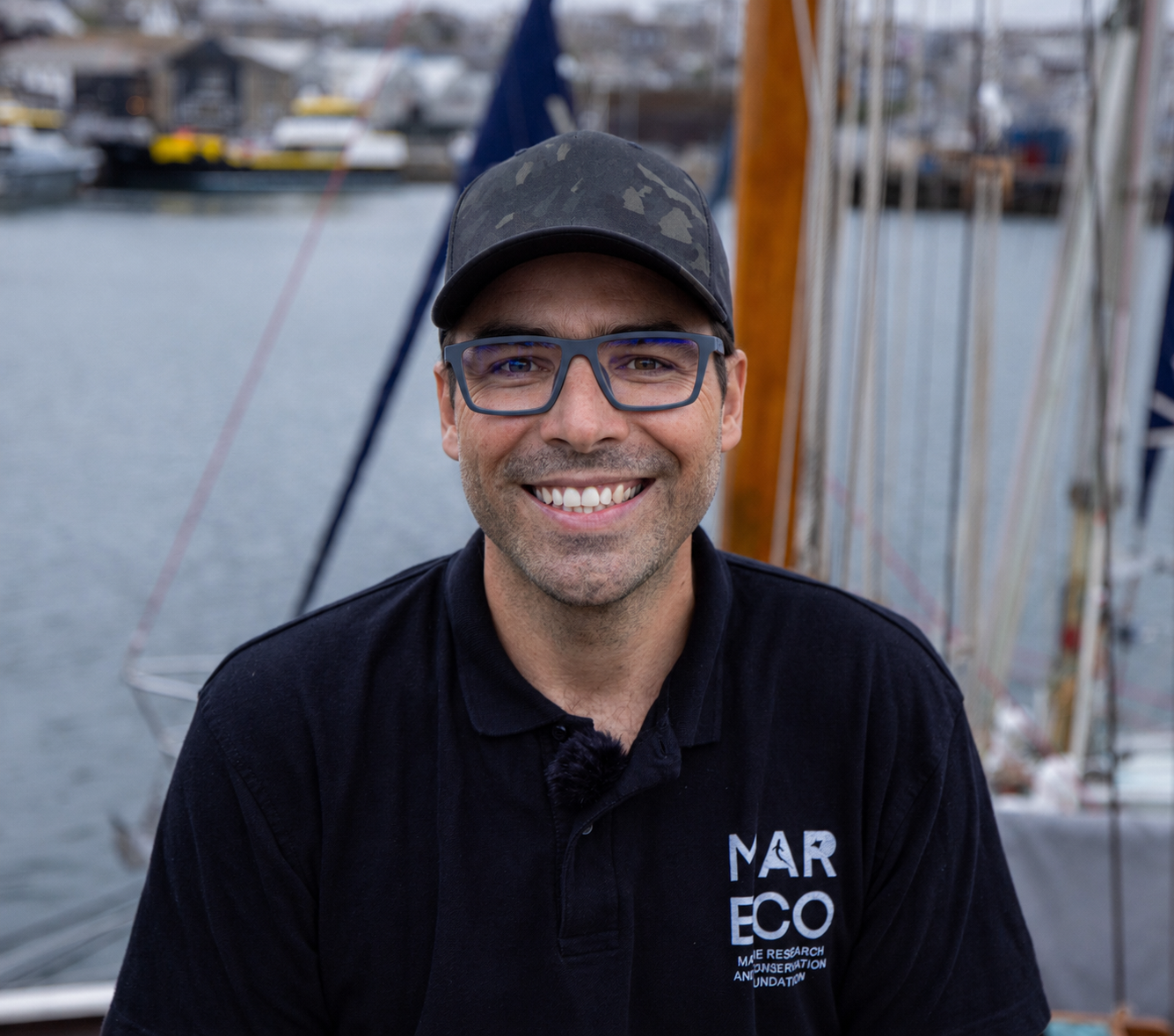
Dr. Gonzalo (Gonzo) Araujo
Founder of MARECO

Gonzalo “Gonzo” Araujo is a marine scientist and conservationist working on the ecology, biology, and conservation of threatened marine megafauna, with a particular focus on sharks. Over the past 15 years, his work has centred on the Endangered whale shark (Rhincodon typus), contributing to global knowledge of the species, management strategy development, and conservation implementation across multiple regions. He completed his PhD on whale shark ecology and has worked extensively across telemetry, genetics, population ecology, citizen science, and marine conservation.

In 2020, Gonzalo founded the UK-based charity Marine Research and Conservation Foundation (MARECO), which collaborates with NGOs, governments, research institutions, and local communities globally to address marine conservation priorities using umbrella species approaches. He is a member of the IUCN SSC Shark Specialist Group, a 2017 Kinship Conservation Fellow, and joined Qatar University in 2022 as a Postdoctoral Associate Researcher. Alongside his academic and nonprofit work, Gonzalo also works as a consultant for governments, media, and the private and third sectors on marine science and conservation initiatives.

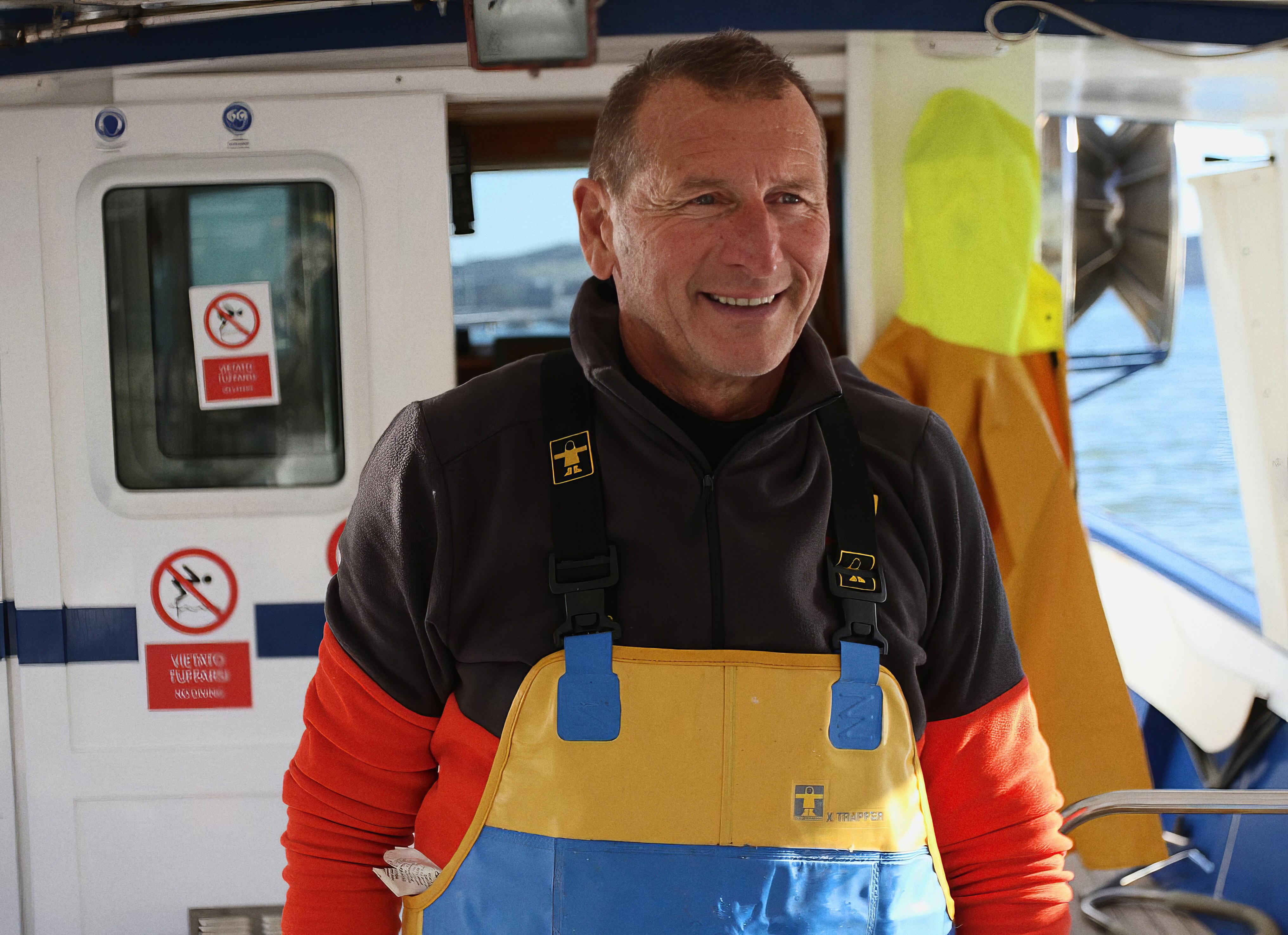
Paolo Fanciulli (Paolo il Pescatore)
2026 National Geographic changemaker and artisanal fisherman

Paolo Fanciulli was born in 1961 in Talamone, a fishing village in Tuscany, Italy. He spent his entire life as an artisanal fisherman, fighting (and risking his life to stop) illegal fishing and protecting the sea and marine ecosystems.

In 2012, Paolo launched the project La Casa dei Pesci (The House of Fish): dozens of underwater marble sculptures, each created by internationally renowned artists and weighing approximately 10–15 tons, were lowered into the sea and placed on the seabed off the coast of the Maremma Natural Park.

The purpose of these underwater artworks was to put an end to illegal inshore trawling once and for all. Paolo, now known around the world as “Paolo il Pescatore” (“Paolo the Fisherman”), succeeded in his mission: this stretch of coastline is now thriving with marine life and rich in many species of fish, as well as lobsters.

Now, he is also targeting the overfishing of octopus by creating a habitat for them with terracotta amphorae decorated by school students. This is saving octopuses from the tens of thousands of plastic traps used in illegal fishing.

Paolo has been interviewed by television outlets and newspapers around the world. There are now books and films about Paolo’s story. In 2026, he was awarded by National Geographic as one of 33 changemakers in the world.