
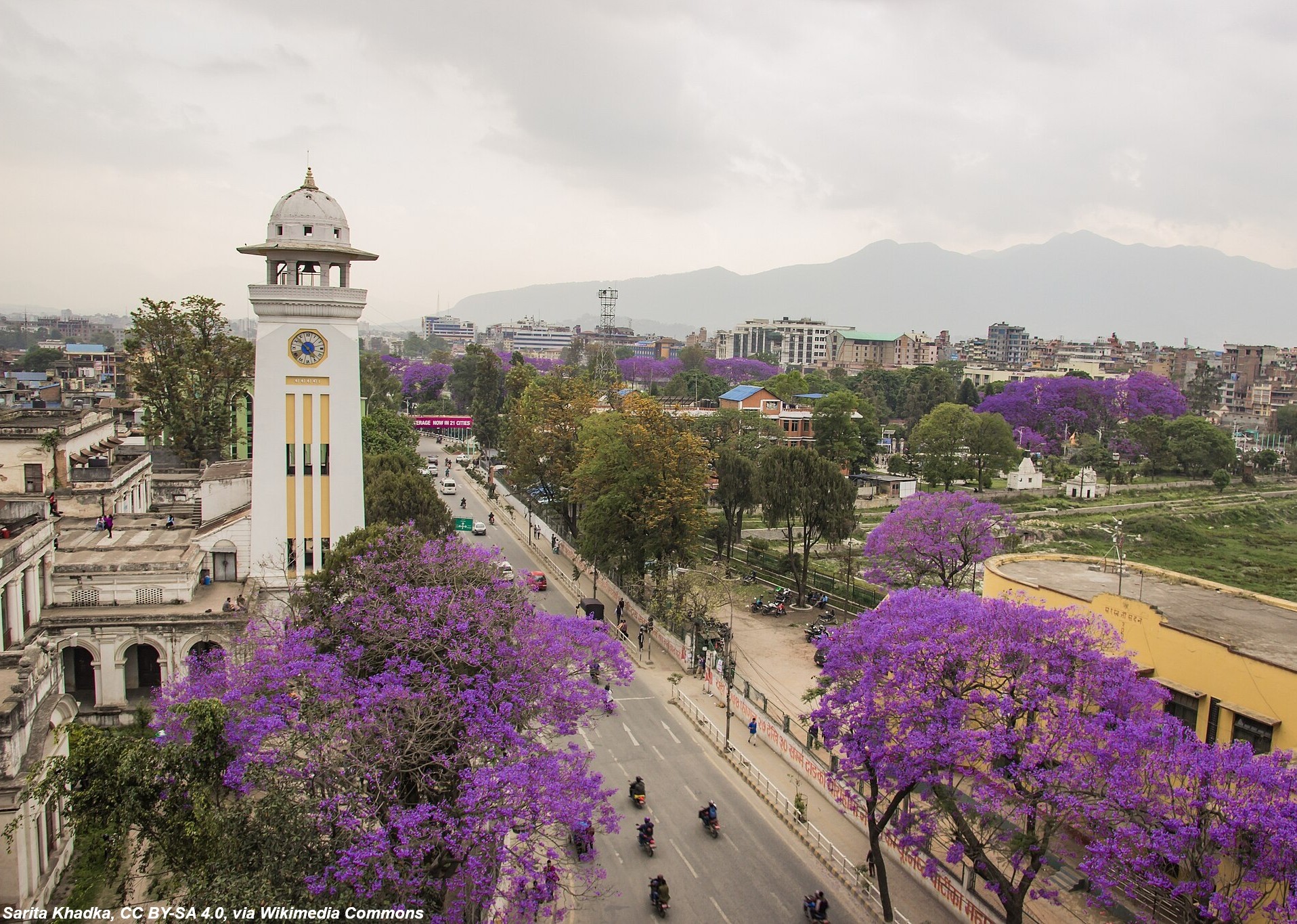
The view of Ghanta ghar in Kathmandu city center, Nepal with blossom Jacaranda flower
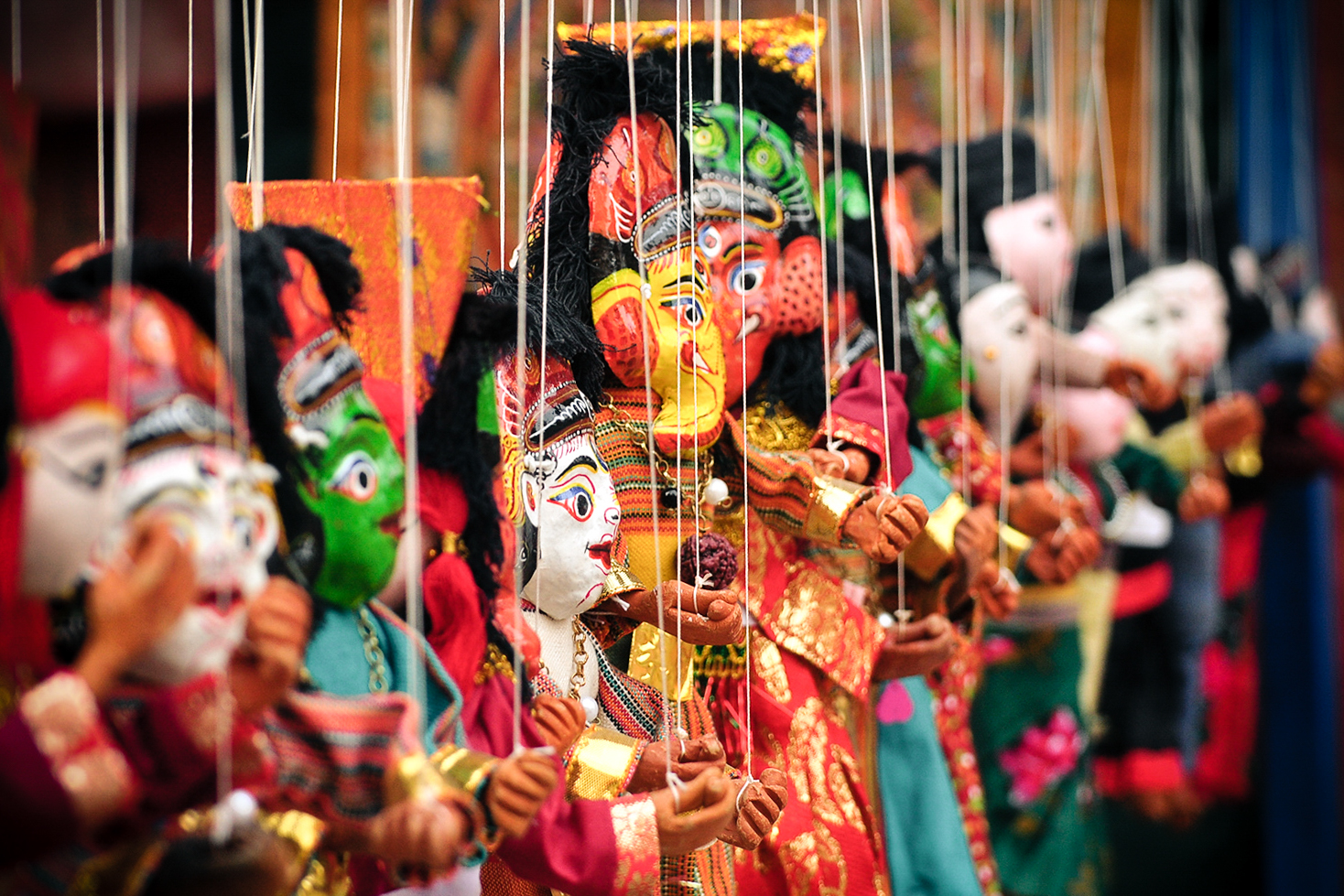
Handcrafted souvenirs inspired by traditional Nepali artistry.
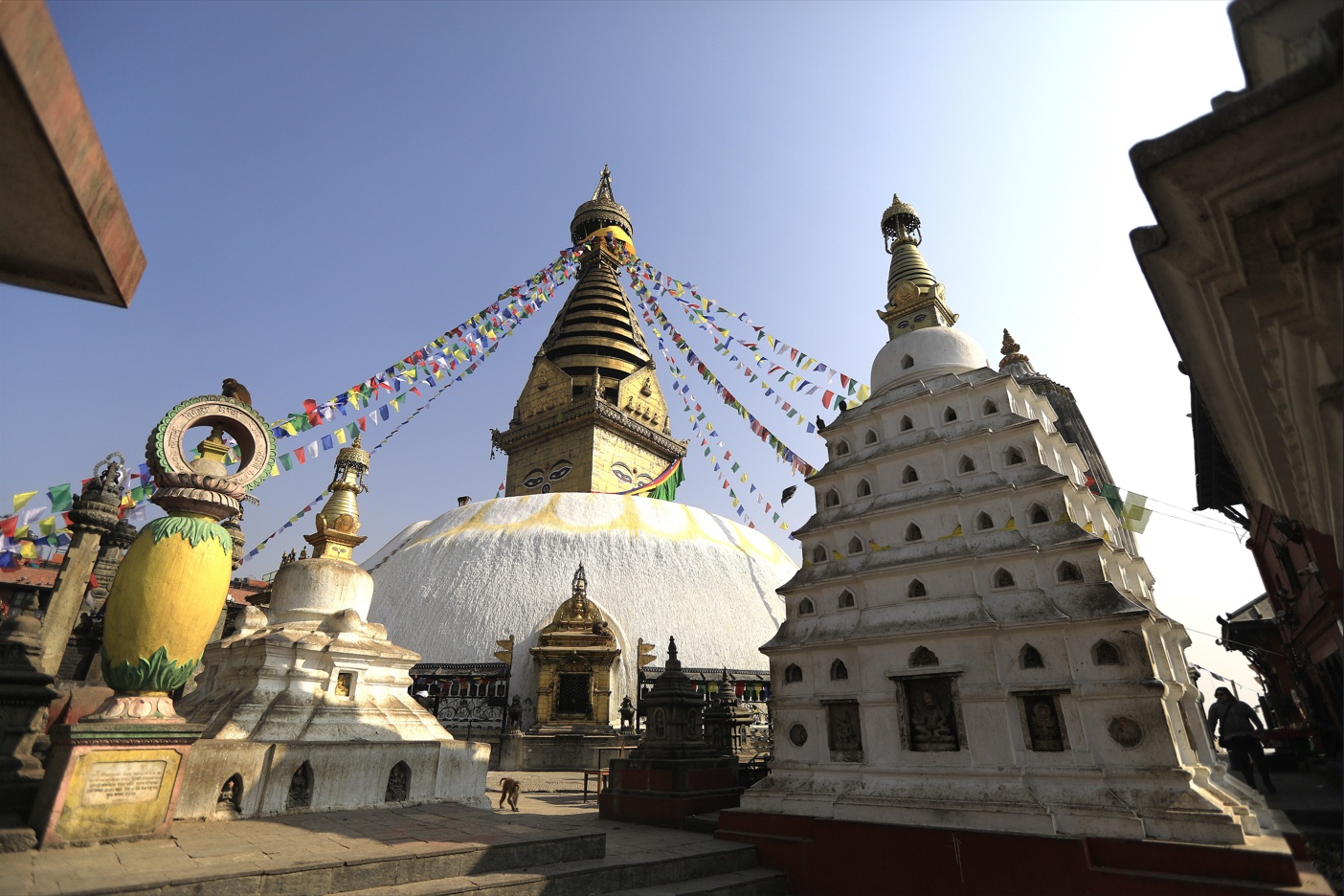
Swayambhu Mahachaitya (Monkey Temple), UNESCO World Heritage Site, Kathmandu.
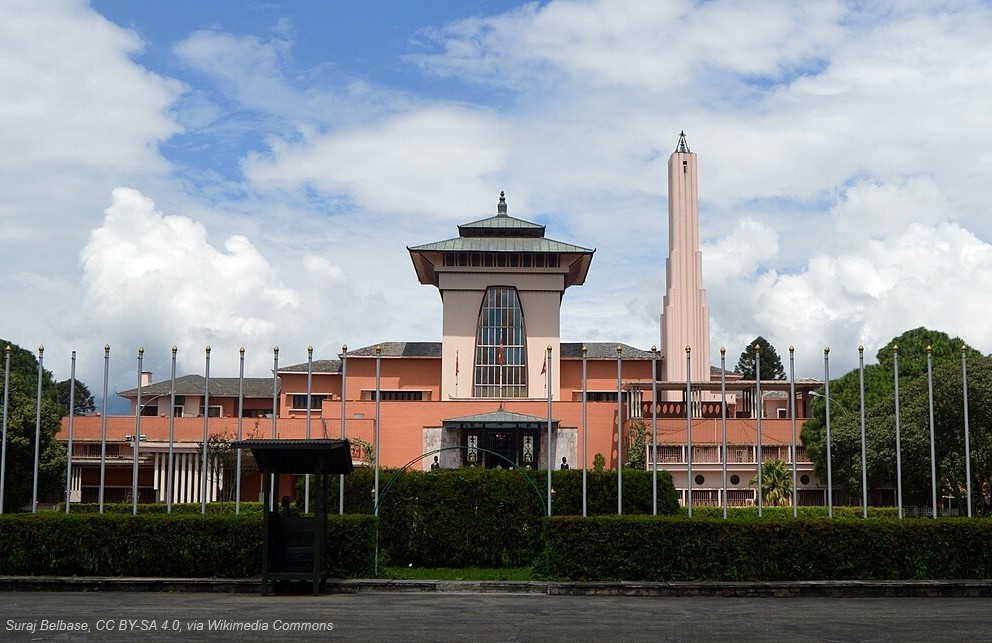
Narayanhiti Palace Museum, the former royal palace of Nepal, now a national museum.
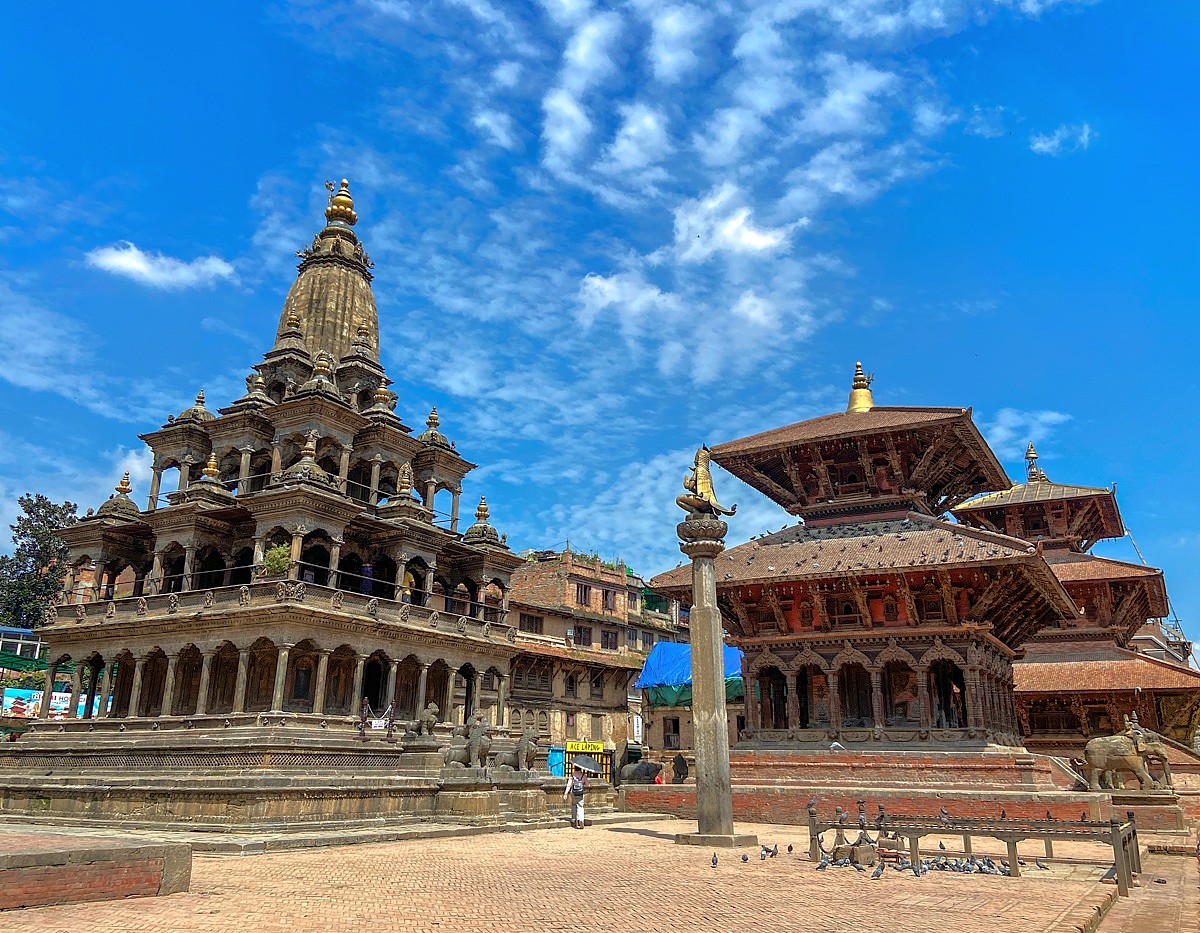
Patan Durbar Square, UNESCO World Heritage Site at Lalitpur’s “City of Fine Arts”.


Visitor Info
The Venue: Yak & Yeti, Kathmandu
CAC Nepal 2026 will take place at the Hotel Yak & Yeti, located in Durbar Marg in the heart of Kathmandu, with convenient access to key services and major cultural sites. This heritage hotel is a landmark in our history:
21 years ago, it hosted the very first SCB Regional Congress ever held.
We are thrilled to return to the venue that hosted the first-ever SCB Regional Congress in 2005, organized by the Asia Region, marking the beginning of the Society’s regional congress series worldwide.
Nepal: The Heart of the Himalaya
Nepal is a country of extraordinary contrasts, where soaring Himalayan peaks meet lush subtropical forests, centuries-old temples stand beside bustling modern cities, and traditional communities thrive alongside contemporary innovations. It is a global biodiversity hotspot and a leader in community-based conservation, making it the perfect setting for the Conservation Asia Congress Nepal 2026 (CACN 2026).
Arriving in Nepal: Flights, Visas & Immigration
Safe Travel Routes
The main international gateway is Tribhuvan International Airport (KTM) in Kathmandu. Considering current geopolitical situations in parts of Eastern Europe and the Middle East, we highly recommend flying into Nepal via major, stable transit hubs in Southeast Asia (such as Bangkok, New Delhi, Singapore, Chengdu, or Kuala Lumpur), depending on your point of origin. Always verify your flight path with your airline.
Tourist Visas & Immigration Requirements
1. Tourist Visa Durations and Fees
Most nationalities enter Nepal on a Multiple Entry Tourist Visa. The official fees (payable in cash, preferably USD) are:
- 15 Days: $30 USD
- 30 Days: $50 USD
- 90 Days: $125 USD
2. How to Apply
You have three primary options for obtaining your tourist visa:
- Option A: Visa On Arrival (VoA) with Pre-filled Form (Highly Recommended)
To save time at the airport, fill out the online Tourist Visa form on the official Nepaliport Immigration website within 15 days of your arrival. Print the submission receipt with the barcode. When you arrive, you can skip the electronic kiosk line, go straight to the payment counter to pay your fee, and then to the immigration desk. - Option B: Standard Visa On Arrival
You can complete the entire process at the electronic kiosks in the arrival hall at Tribhuvan International Airport (Kathmandu) or at official land border crossings. - Option C: Electronic Travel Authorization (ETA) / Embassy Visa
If you prefer to have your visa sorted before travelling, you can apply for an ETA or a sticker visa at a Nepalese Embassy or Consulate in your home country prior to departure. ETA approvals are valid for entry for up to 6 months from the date of issue.
3. Required Documents at Immigration
To clear immigration smoothly, ensure you have the following ready:
- Passport: Must be valid for at least 6 months beyond your arrival date and have at least one blank page for the visa sticker.
- Photos: A digital passport-sized photo (if applying online) or a physical copy if using land borders or paper forms.
- Proof of Onward Travel: A return flight or onward ticket.
- Accommodation Proof: The address or booking confirmation for your first night's stay (e.g., a hotel in Kathmandu).
- Cash: It is highly recommended to bring crisp, untorn US Dollar bills to pay the visa fee. While major airports have card machines, network errors are common, and land borders often operate strictly on a cash basis.
4. Extensions
If you decide to stay longer, you can easily extend your tourist visa at the Department of Immigration offices in Kathmandu or Pokhara. Extensions cost a minimum of $45 USD for 15 days (plus $3 USD for each additional day). You are legally allowed to stay in Nepal on a tourist visa for a maximum of 150 days per calendar year.
5. Exemptions and Restrictions
- Gratis (Free) Visas: Issued to children under 10 years old (except US citizens), Chinese nationals, and citizens of SAARC countries (for their first 30 days). Indian nationals do not require a visa but must present a valid passport or Election/Voter ID.
- Restricted Nationalities: Citizens of Nigeria, Ghana, Zimbabwe, Eswatini, Cameroon, Somalia, Liberia, Ethiopia, Iraq, Palestine, Afghanistan, Syria, Iran, and travellers using refugee travel documents are not eligible for a Visa on Arrival. They must apply through a Nepalese Embassy or Consulate prior to their trip.
Note: Entry requirements can shift, so it is always a good practice to verify your specific eligibility on the official Nepal Department of Immigration website shortly before booking your travel.
Visa Support Letters & Application Advice
While most delegates can easily obtain a Visa on Arrival, we understand that some participants—particularly those from restricted nationalities, or those requiring documentation for institutional funding and transit visas—will need formal documentation from the Congress to support their travel.
- Requesting a Support Letter: If you require a formal letter of support from CAC Nepal 2026 for your visa application or funding request, please email conservationasia@conbio.org with the subject "Request for visa application support letter." Please provide your full name (as it appears on your passport), institution, physical address, and your accepted abstract/session details (if applicable) in the body of the email.
- For Travel Award Applicants: A condition of accepting a scholarship or travel award is to demonstrate that you have initiated your visa application process (if you are required to apply via an embassy). Participants receiving CAC Nepal 2026 travel bursaries or registration waivers who are unable to attend must notify the Congress Coordination Team as soon as possible so that the support may be reallocated where appropriate.
- Refund Policy: Refund requests due to unsuccessful visa applications will only be considered if the cancellation request is submitted before the refund deadline. Cancellation requests must be received on or before 10 May 2026 to be eligible for a refund. Approved refunds will be issued minus a USD $50 administrative processing fee. Refund requests will not be accepted after 10 May 2026.
- Substitutions: Registration substitutions are permitted. If a registered participant is unable to attend, another individual may attend in their place. Requests for substitutions must be submitted via email to conservationasia@conbio.org no later than 25 May 2026.
Additional Support for Delegates Applying at Embassies:
We acknowledge that delegates from countries who must apply for their visas in advance at a Nepalese Embassy or Consulate may face greater scrutiny. To strengthen your application, we strongly recommend that you:
- Apply Early: Lodge your embassy visa application at least 6 weeks prior to your intended travel date.
- Provide Institutional Endorsement: Submit a letter from your employer or academic supervisor confirming your return, your position, and the purpose of your travel.
- Show Financial Evidence: Provide evidence of sufficient funds (e.g., itemized bank statements, travel grant award letters) to support your stay.
- Include Proof of Legitimacy: Ensure you include your official CAC Nepal 2026 Support Letter, abstract acceptance, and proof of congress registration with your application.
Money Matters
The local currency is the Nepalese Rupee (NPR). While credit cards are accepted in major hotels and restaurants in Kathmandu, cash is still preferred in many businesses, especially in remote regions. ATMs are widely available in Kathmandu (expect a transaction fee of around NPR 500-800). The best exchange rates are often found at authorized money changers in Thamel, rather than at the airport. Official exchange rates can be checked via the Nepal Rastra Bank.
Staying Connected
You can purchase a local SIM card (Ncell or Nepal Telecom/NTC) immediately after exiting baggage claim at the airport. You will need your passport to register. Ncell generally offers faster speeds in the city, while NTC provides broader coverage in rural areas. Wi-Fi is widely available in Kathmandu hotels and cafes.
Weather in June
June marks the onset of the monsoon season. Expect a mix of heat, humidity, and rain, making the valley lush and green. Daytime highs average 29°C (84°F), with high humidity averaging around 73%.
- What to pack: A light rain jacket, a compact umbrella, waterproof shoes, quick-dry clothing, and a dry bag for electronics.
- Sun protection: Bring SPF 30+ sunscreen and a wide-brimmed hat for sunny mornings.
Practical Tips & Health
- Water Safety: Do not drink tap water. Use filtered or bottled water, even when brushing your teeth.
- Electricity: 230V. Plug types C, D, and M are used.
- Health: Bring personal medications. In Kathmandu, the CIWEC Clinic is highly recommended for travelers.
- Emergency Numbers: Police (100), Tourist Police (1144 or 4247041), Ambulance (102).