
Wildlife Watching in Nepal
Nepal is a global biodiversity hotspot, boasting dramatic variations in elevation that create diverse habitats—from tropical lowlands to alpine ecosystems. For delegates extending their stay before or after the Congress, Nepal offers world-class wildlife watching opportunities.
In & Around the Kathmandu Valley (Half to Full-Day Trips)
You don't have to travel far from the conference venue to experience Nepal's biodiversity. These locations are accessible within a short drive from central Kathmandu.
- Shivapuri Nagarjun National Park: Located on the northern and western edges of the valley, this mid-hill forest is excellent for birdwatching (over 300 species) and spotting mammals like the Himalayan black bear, common leopard, wild boar, and barking deer.
- Phulchowki Hill & Godawari: The highest hill surrounding the Kathmandu Valley, famous for its rich floral diversity and as a premier birdwatching site. It is one of the best places to spot the Spiny Babbler, Nepal's only endemic bird species.
- Chandragiri Hills: Easily accessible via a quick cable car ride from the southwestern edge of the city. The forested slopes here are excellent for observing macaques, diverse birdlife, and occasional sightings of yellow-throated martens.
- Taudaha Lake: A small natural lake on the outskirts of Kathmandu. It is a vital wintering site for migratory waterfowl and an excellent, easy morning trip for bird enthusiasts.
- Ranibari Community Forest: A protected urban oasis right in Kathmandu, where you can spot diverse resident and migratory birdlife and occasionally the golden jackal.
The Himalayan Highlands (Short Drive from Kathmandu)
For those looking to experience high-altitude ecosystems without taking domestic flights, the mountains directly north of the valley offer incredible wildlife encounters.
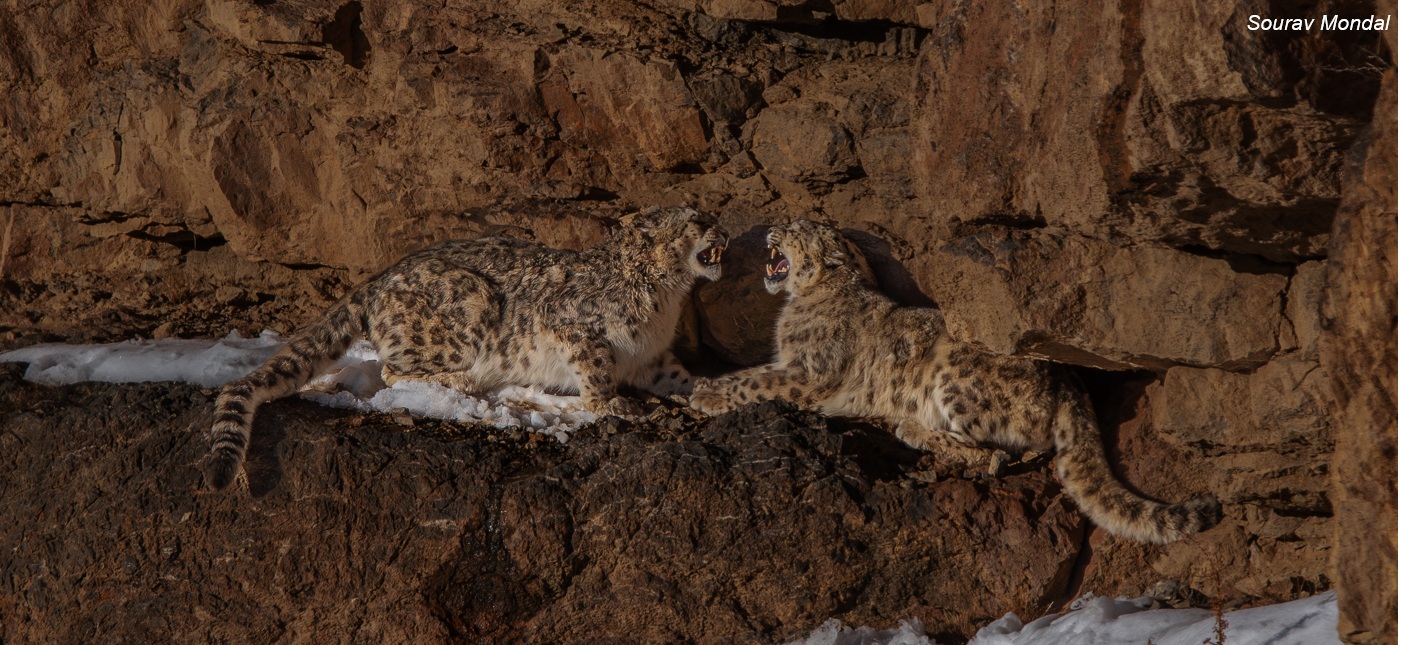
- Langtang National Park: As the closest Himalayan national park to Kathmandu (accessible via a scenic drive to the Syabrubesi trailhead), Langtang is a haven for high-altitude wildlife. It is renowned as one of the best places in Nepal to track the endangered red panda. Its rugged alpine terrain also provides protected habitat for the elusive snow leopard, Himalayan tahr, and musk deer.
- Gaurishankar Conservation Area: Located to the east and accessible by road, this region protects a vital biological corridor for mountain ungulates, Himalayan black bears, and diverse high-altitude pheasants.
The Terai Lowlands (Short Domestic Flight or Half-Day Drive)
Nepal's southern plains are home to lush jungles, tall grasslands, and some of the most successful conservation programs in Asia.
- Chitwan National Park: A UNESCO World Heritage site and a major success story for the recovery of the Greater One-Horned Rhinoceros. Located just a 20-minute flight (to Bharatpur) or a 5-hour drive from Kathmandu, it is also home to Royal Bengal tigers, gharial crocodiles, and over 500 species of birds.
- Parsa National Park: Directly adjacent to Chitwan and easily accessible via a 20-minute flight to Simara. Parsa offers a much quieter, off-the-beaten-path alternative for observing wild Asian elephants, tigers, and sloth bears in a pristine Bhabar ecosystem.
- Bardiya National Park: Larger and more remote than Chitwan, Bardia requires a short flight to Nepalgunj. It is renowned for its unspoiled environment, frequent tiger sightings, and its large population of wild elephants.
- Koshi Tappu Wildlife Reserve: A wetland paradise in eastern Nepal, recognized as a Ramsar site. It is a premier destination for birdwatchers and the last remaining refuge of the endangered wild water buffalo (Arna).
Official Wildlife Resources
Because individual park websites in Nepal frequently undergo maintenance, we also highly recommend using the centralized national portals below for the most stable and current information on park permits, entry regulations, and conservation guidelines: