
|
|
|
|
|
Meet the Board |
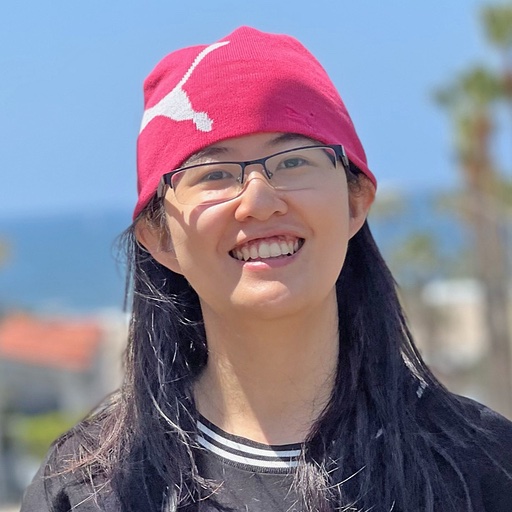
Meixi Lin
President
Meixi is a Postdoctoral Fellow based at UC Berkeley. Her research interests span conservation genomics and molecular ecology. With experiences in environmental DNA and conservation genomics, her project focuses on developing integrative frameworks to understand the genetic dimension of biodiversity distribution and its responses to environmental changes. Her current work involves building eco-evolutionary models from multi-species whole genome datasets.
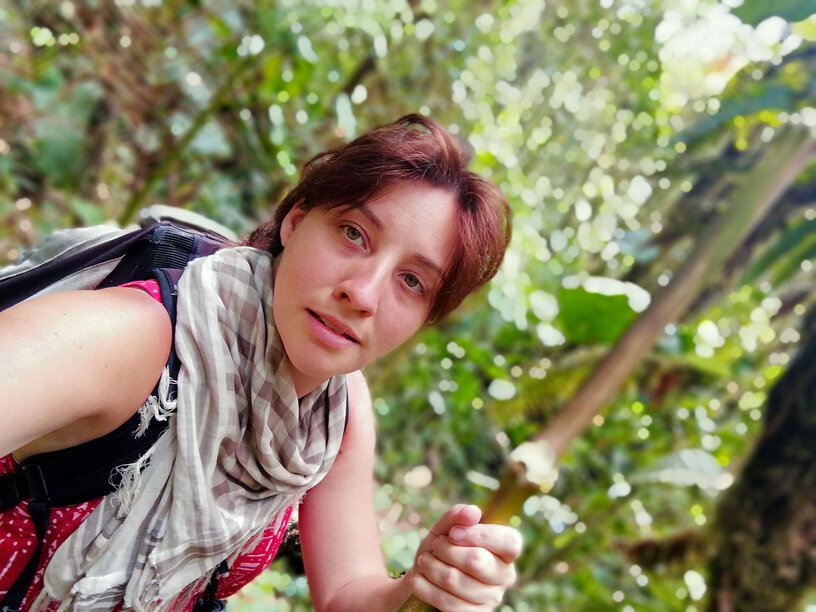
Laura Bertola
Vice President
Laura is affiliated with the National Centre for Biological Sciences as an Associate Researcher. She works on a range of projects, mostly on carnivores and African mammals, but also on other species. Apart from general population genomics, current topics also tackle informing translocations and reintroductions, monitoring populations, developing tools for forensics, and assessing diets. Genetic data can contribute to defining management strategies, both for in situ conservation and for breeding programs. Laura also works with the zoo community to assess how captive populations can contribute to conservation best. To have a meaningful impact in this field, it is crucial to work closely with local partners. In many places capacity to employ genetic techniques is still limited. Building such capacity and making genetic tools as accessible as possible therefore is of major interest. In addition, Laura is actively involved in various conservation organizations, such as the IUCN Cat Specialist Group, the IUCN Conservation Genetics Specialist Group, the GEOBON Genetic Composition Working Group (Steering Committee), the African Lion Working Group (Special Matters Committee), the Himalaya Tiger Foundation (Board member) and the Leo Foundation (Chair).
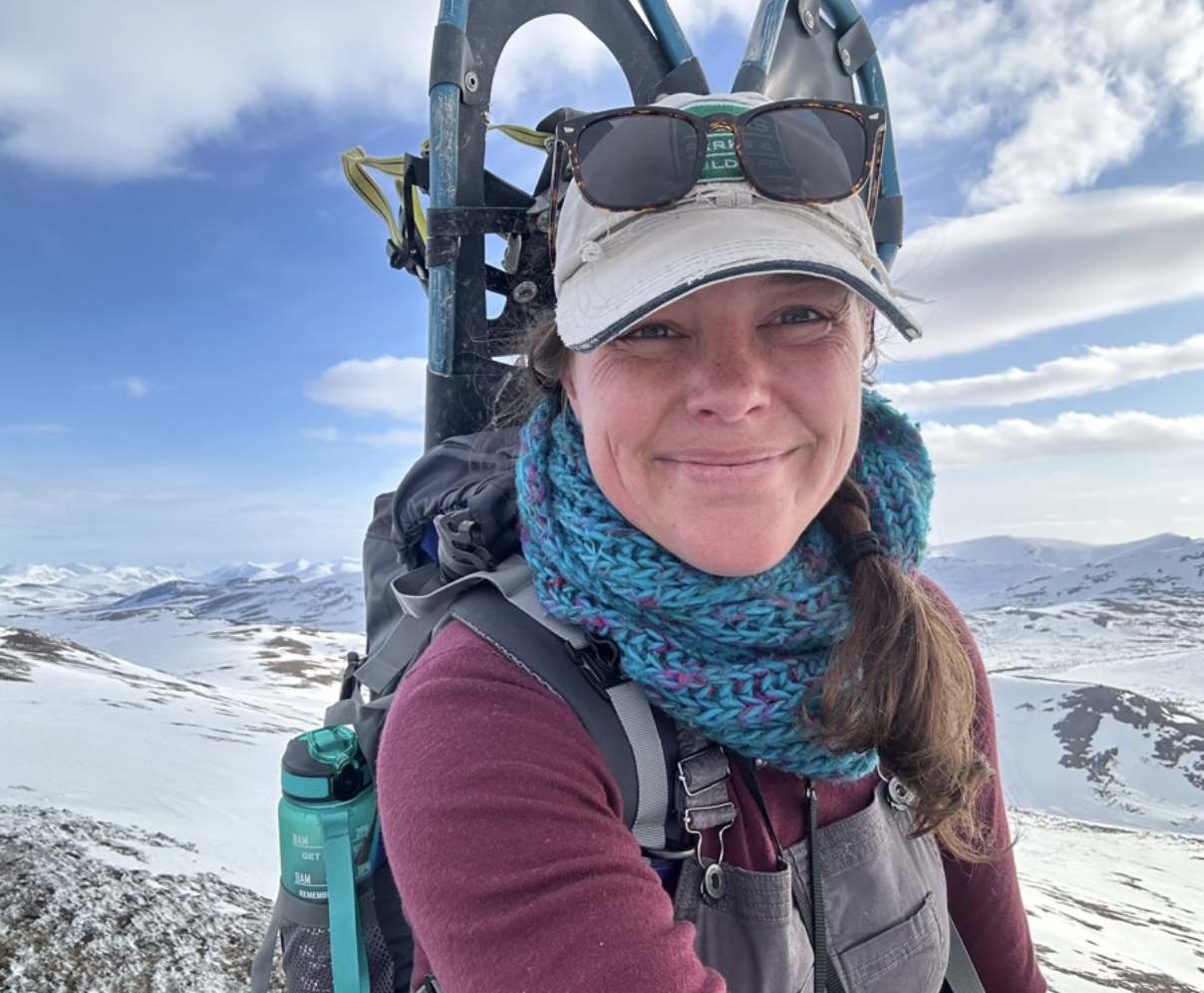
Stephanie Galla
Outgoing President
Stephanie is an assistant professor at Boise State University. She is interested in interdisciplinary conservation efforts for species in decline, and in particular, how genomic technologies can inform management decisions. She earned her PhD at the University of Canterbury (Aotearoa/New Zealand) where she worked with conservation managers to incorporate genomics into pairing decisions for critically endangered birds. At her current position, Stephanie and her team explore whether birds (including grouse and raptors) have the adaptive capacity to be resilient in a changing world..
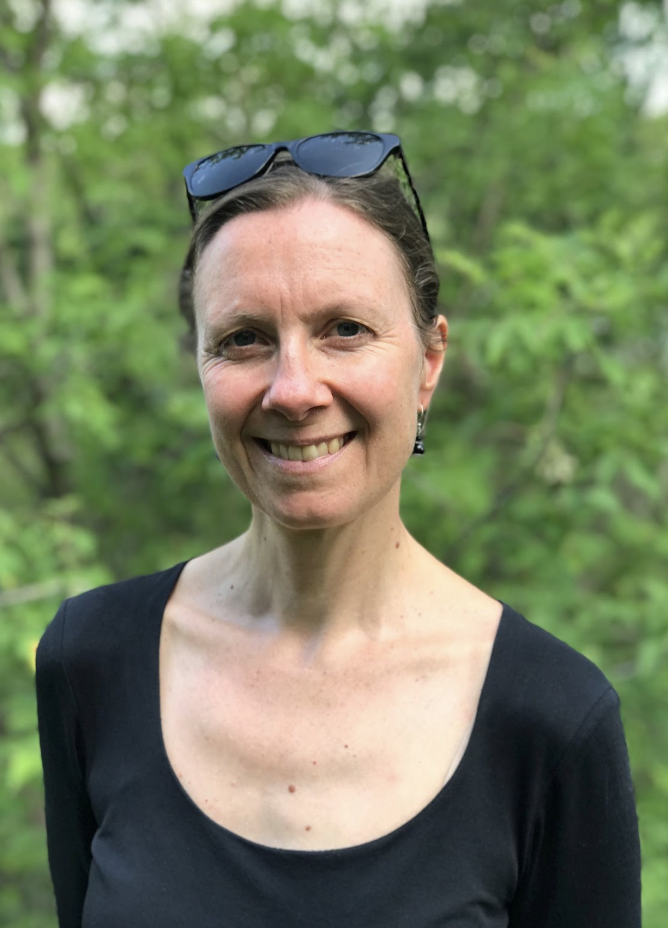
Astrid Vik Stronen
Secretary
Astrid Vik Stronen is a wildlife biologist and researcher in conservation genetics and ecology, and did her PhD degree in Canada. Recent studies include genetic and genomic analyses of wild species and domestic populations at risk, including bears, monk seals, bison, cattle, dogs, coyotes, golden jackals and wolves. Astrid is interested in contemporary evolution resulting from human activities, and how we can best preserve wild species and their habitats in the face of rapid environmental change. As a university lecturer, she is involved in teaching courses in conservation biology and genetics & evolution at the University of Ljubljana (Slovenia) and Aalborg University (Denmark). Astrid is a member of the IUCN Species Survival Commission’s Conservation Genetics Specialist Group and a co-founder of DivjaLabs Ltd., a spin-out from the University of Ljubljana. In addition to scientific projects, she has been involved in several broad-scale conservation projects for wild and domestic species in Canada and Europe, most recently in southeastern Europe’s Dinaric-Balkan region.
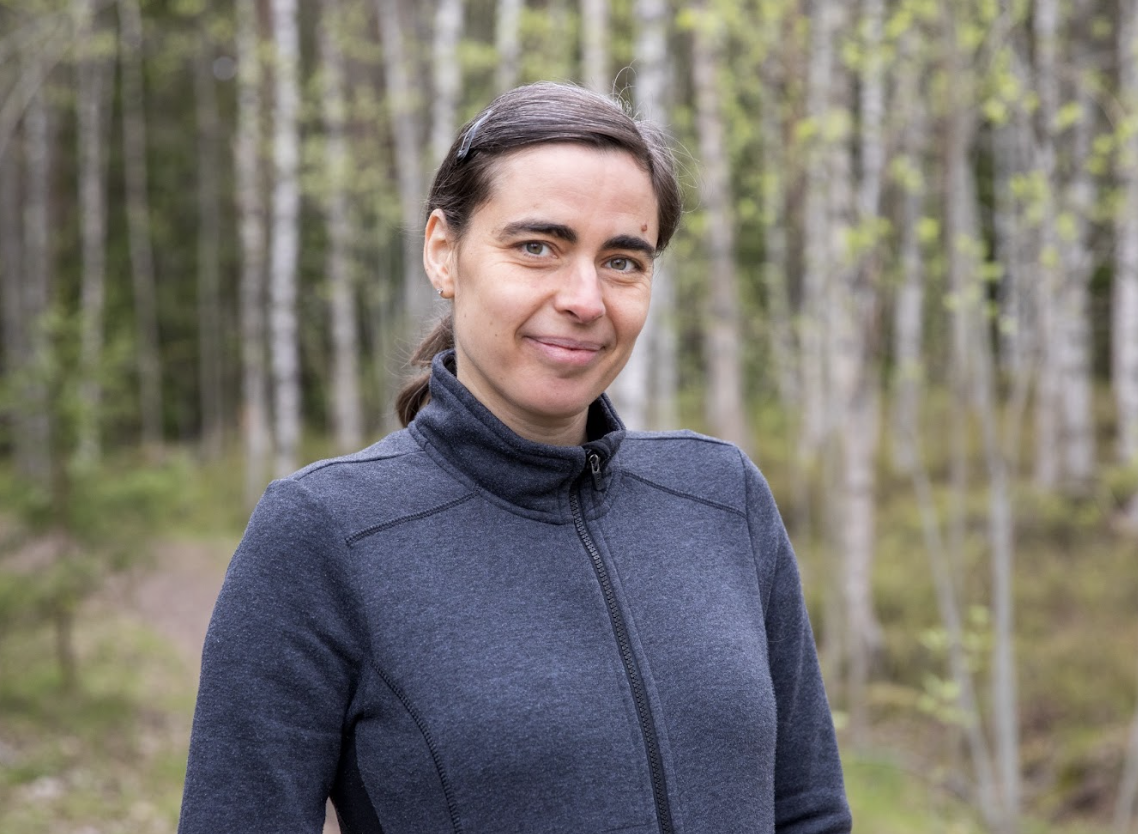
Anita Norman
Treasurer
Anita Norman is a conservation geneticist at the Swedish University of Agricultural Sciences (SLU), specializing in population genetics and monitoring using environmental DNA (eDNA) with the aim of assessing and tracking imperiled populations over time. Currently, her main focus is on the Eurasian river otter across Fennoscandia and on pollinators in boreal Sweden, where she aims to advance and promote the application of non-lethal eDNA monitoring. In addition to her research, Anita runs a Master’s-level course on Conservation Genetics, integrating theoretical foundations with applied population genetic analyses and introductory bioinformatic workflows. Through her research, teaching, and professional service, Anita is committed to increasing the accessibility of conservation genetics, promoting cross-disciplinary collaboration, and strengthening the translation of genetic insights into conservation practice.